Ghana 1957, The Independence That Changed the World
Ghana declared independence on March 6th, 1957 making history to become the first of the colonised African nations to be free of British rule. Kwame Nkrumah’s triumph was a win for Africa and the Pan-African movement, and even further a field to the Caribbean.
The Lead Up To Independence
Resistance to the British first came at a pivotal moment in 1897 when a group of lawyers and journalists such as John Mensah Sarbah, Joseph Ephraim Casely Hayford established the Aborigines’ Rights Protection Society (ARP) and successfully opposed British land legislation that would have transferred African land to the Crown. Their fight wasn't directly about independence but it began to ruffle the establishment and inspired generations.
A few decades later came the rise of new educated elites and business leaders known as the “Big Six”, Dr Joseph Boakye Danquah, Ebenezer Ako-Adjei, Kwame NKrumah, Emmanuel Obetsebi-Lamptey, Edward Akufo-Addo and William Ofori Atta formed the United Gold Coast Convention (UGCC) in 1947. They wanted self-government, “in the shortest possible time”, through constitutional reform and negotiation with the British.
Nkrumah, who was brought in as General Secretary, quickly became frustrated with the passiveness of his UGCC counterparts. He was not interested in independence being a slow burning process. He believed independence should be immediate and was for “self government now” and that it wasn’t a movement exclusive to the elite. It had to be driven by workers, and trade unions through mass mobilisation and nonviolent direct action. The UGCC leadership thought NKrumah’s way was far too risky and radical.
Regardless of how the majority of the UGCC felt, there was in fact, a charged atmosphere amongst the people, which eventually erupted into the Accra riots of 1948, after the shooting of unarmed ex-servicemen peacefully protesting their treatment after fighting in World War II. It marked a decisive shift toward independence. Political anger had spread beyond elite debate to mass urban protest, forcing the British to accelerate constitutional reforms and investigate colonial rule through the Watson Commission.
Although Nkrumah didn’t organise the march, his grassroots mobilisation had helped politicise the masses, and his arrest with the “Big Six” he was seen by the masses as a champion for the fight for independence. He was a man of the people. The riots further exposed the limits of the UGCC’s gradual approach and led to NKrumah’s split to form the Convention People's Party (CPP) in 1949 and transform nationalism into a popular independence movement.
Nkrumah’s 1950 “Positive Action” campaign, strikes, boycotts, civil disobedience, led to his imprisonment. It also proved his reach. When the CPP won the 1951 elections decisively, it was clear that political legitimacy had shifted.
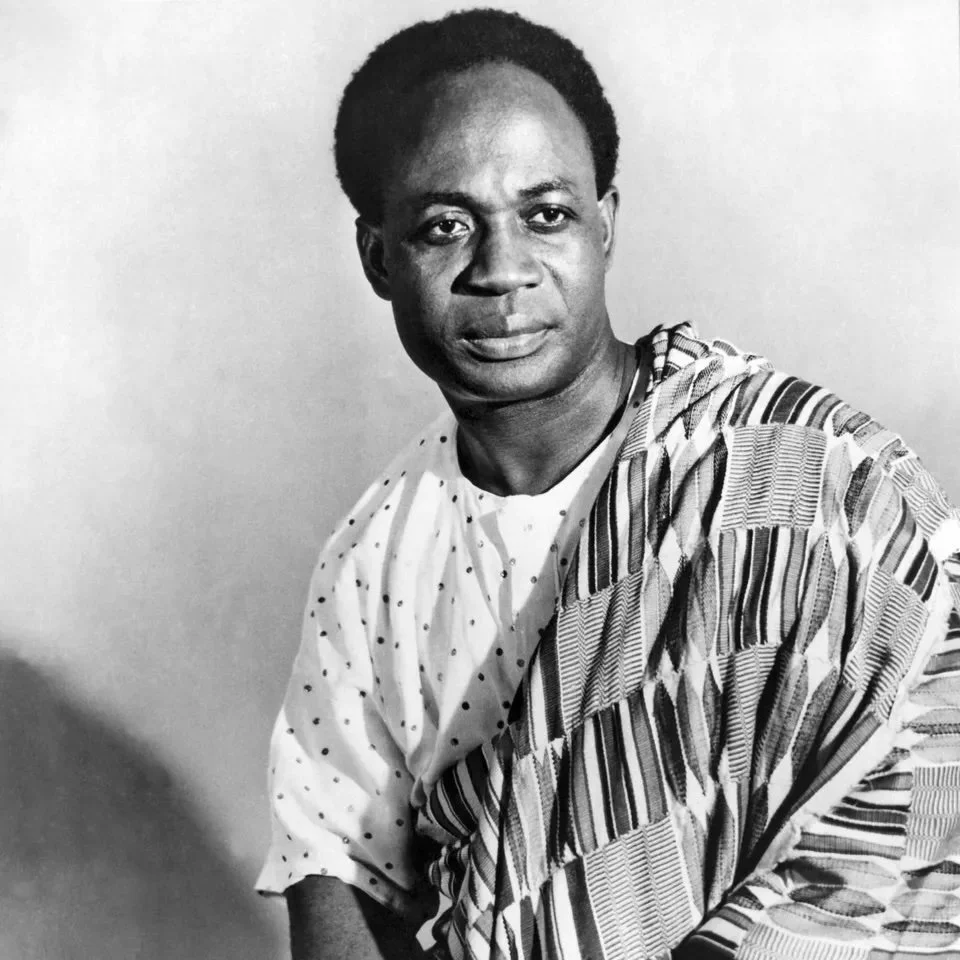
Kwame Nkrumah, Ghana's first Prime Minister
Independence, March 6 1957
On 6 March 1957, the Gold Coast formally became Ghana, a name chosen deliberately, referencing the ancient West African empire and linking the new nation to a deeper African past. The celebration brought together notable global figures like Martin Luther King Jr. and Coretta Scott King, Richard Nixon (Vice President of the US at the time) and the Duchess of Kent to witness the birth of the new nation.
The country was now officially led by Prime Minister Kwame Nkrumah, with a leadership bench that included Komla Agbeli Gbedemah, who played a critical role in economic planning and international diplomacy. And Kojo Botsio helped shape foreign policy in the early years. Regional leaders, traditional authorities, and organisers across the country had to be brought into a fragile national coalition.
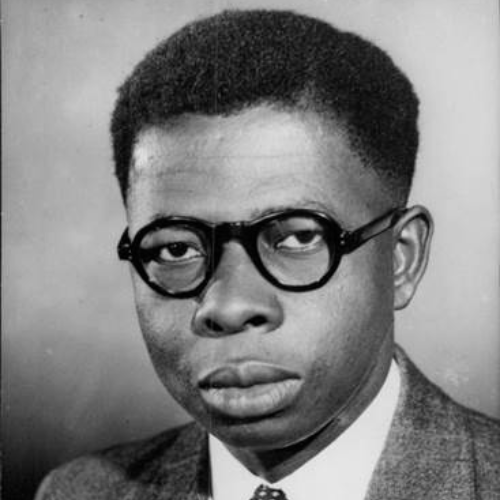
Ebenezer Ako-Adjei
The Ripple Effect
Ghana’s independence was closely watched across Africa, triggering a rapid wave of decolonisation. The most immediate countries to gain independence were Guinea (1958), followed by a major surge in 1960, the “Year of Africa”, when Nigeria, Senegal, Mali, Côte d’Ivoire, Niger, Cameroon, Democratic Republic of the Congo and Somalia, Kenya among others.
Many Caribbean territories were still British colonies in 1957. Political leaders there had been studying African developments carefully. The idea that a Black-majority colony could transition to self-government without descending into chaos undermined one of the core arguments used to justify continued imperial oversight.
In Jamaica, Norman Manley and his contemporaries were already negotiating greater autonomy. Jamaica would gain independence in 1962. In Trinidad and Tobago, Eric Williams pushed constitutional reform, also achieving independence in 1962. Barbados would follow in 1966. Caribbean intellectuals and activists had also long been central to Pan-African thought, such as George Padmore, who became a close adviser to Nkrumah in Ghana.
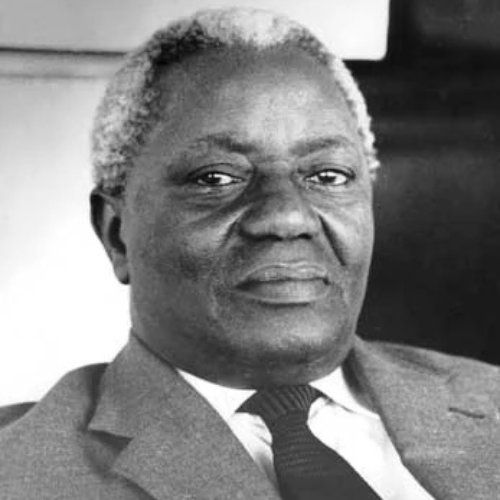
Dr Joseph Boakye Danquah
The Rise of Pan-Africanism
Nkrumah invited liberation movements from across the continent to Accra, funded activists, and hosted major gatherings like the All-African Peoples’ Conference, which connected freedom movements from Algeria to South Africa. Ghana also supported figures such as Patrice Lumumba and backed struggles against Portuguese and settler colonialism, helping to turn Pan-Africanism from an intellectual idea into a practical political network. In this way, Ghana became a hub for African unity, accelerating decolonisation and shaping the creation of continental institutions like the Organisation of African Unity formed in Addis Ababa in 1963.
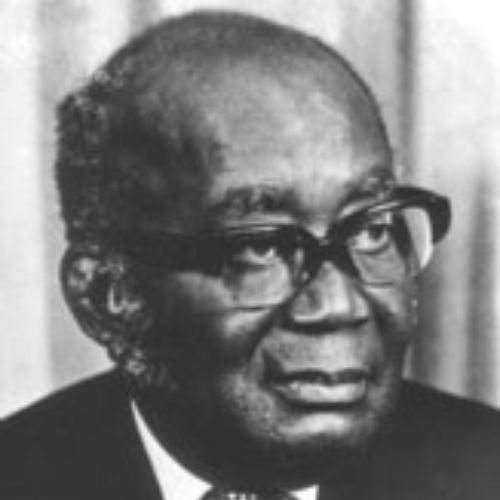
Edward Akufo-Addo
Independent Ghana Appeal During Civil Rights Era
An independent Ghana appealed to African Americans in the height of the civil rights movement. W. E. B. Du Bois moved to Ghana in 1961 at Nkrumah’s invitation to work on an Encyclopaedia Africana project. He died there two years later and was buried in Accra. Maya Angelou lived in Ghana during the early 1960s. She worked as a journalist and teacher and was part of a small but visible expatriate community. In her later writing, she described both the sense of belonging and the distance she felt as an outsider.
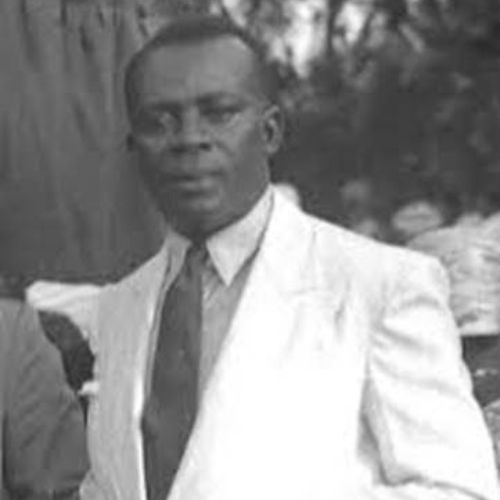
Emmanuel Obetsebi-Lamptey
Life After Independence
There was a real feel of optimism and a strong sense of national and Pan-African purpose under Kwame Nkrumah, who invested heavily in education, infrastructure, and industrial projects to modernise the new nation and reduce reliance on colonial trade patterns. The government promoted unity, African identity, and state-led economic development through ambitious programmes like the Volta River Project. However, this period also saw growing centralisation of power, the weakening of opposition parties, and increasing financial pressure due to falling cocoa prices and the high cost of development projects, creating tensions between the vision of rapid transformation and the economic realities of a newly independent state.
In 1966, while Nkrumah was on a peace mission to Asia, the Ghanaian military and police carried out a coup with support from disaffected elites and foreign backing, removing him from power. He went into exile in Guinea, where President Ahmed Sékou Touré named him honorary co-president. Nkrumah spent the rest of his life promoting Pan-Africanism and writing political works.
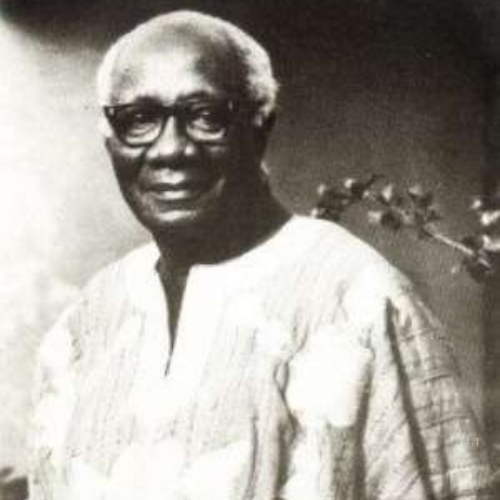
William Ofori Atta