

Black Female Footballers Who Impacted the Game
Women’s football, by the sheer brilliance of talent on the field and those working behind the scenes, is on the rise. The Women’s Super League (WSL), now in its 15th season, has seen attendances increase by an incredible 239% since 2021. Expansion to 14 teams is already confirmed for 2026/27, proving the momentum shows no signs of slowing down.
As the modern game thrives, it’s vital to honour the trailblazers who paved the way and celebrate the Black women who have shaped football on and off the pitch for more than a century. From Victorian-era pioneers to global icons, their contributions have broken barriers, set new standards, and ensured women’s football is recognised at the highest level.
Here are 11 iconic Black female footballers whose historic firsts, barrier-breaking achievements, and leadership created lasting change in football.
Emma Clarke, The First Black Female Footballer
Clarke is widely recognised as the first Black woman to play football in the UK. Competing in the 1890s for the British Ladies’ Football Club and the Lady Footballers, she played both outfield and in goal. In Victorian Britain, her very presence as a Black woman in organised football defied both gender and racial norms, making her one of the earliest pioneers of inclusivity in the sport. Clarke’s visibility helped open doors for many Black women in football, inspiring greater representation and inclusion in the sport.
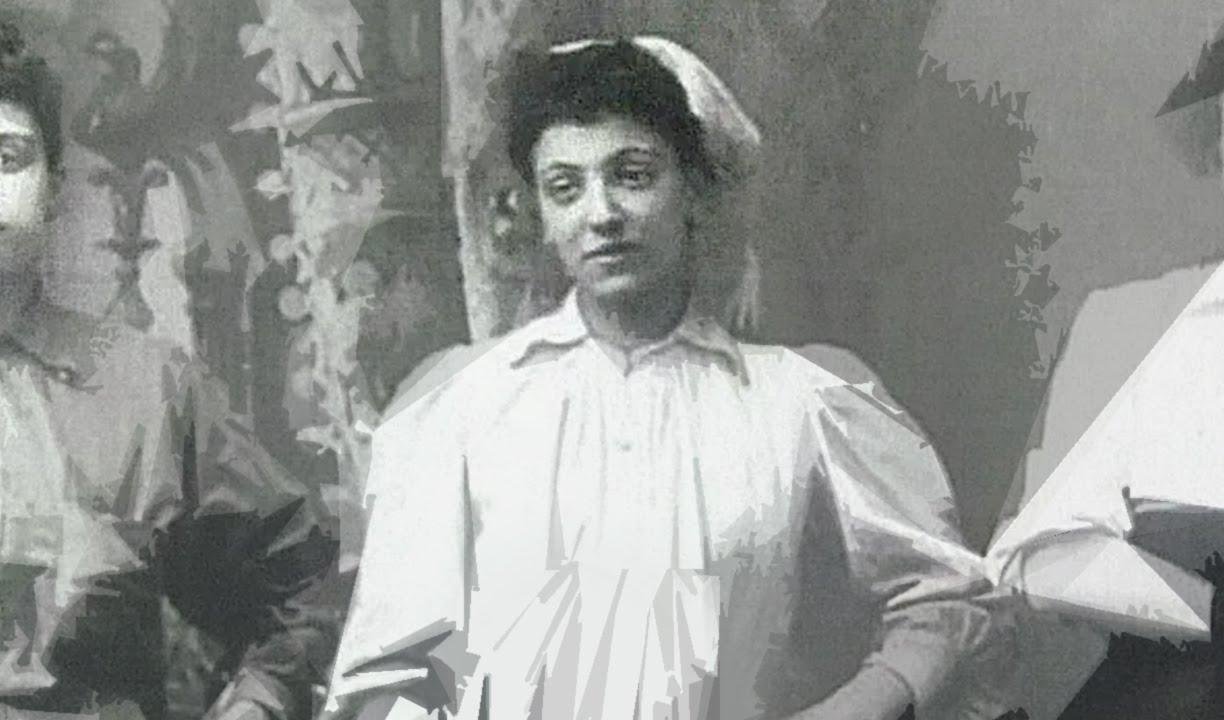
Emma Clarke
Hope Powell – First Black Manager of an England Team
A former England international with 66 caps, Powell made history in 1998 when she became the first woman and first Black person to manage any England national side. Leading the Lionesses for 15 years, she guided them to two World Cups and four European Championships, including the Euro 2009 final. Powell also introduced central contracts, providing players with a salary that allowed them to focus more on training and playing, thereby helping to professionalise the women’s game. Powell’s leadership created opportunities for generations of players and coaches such as Rachel Yankey, Anita Asante, Alex Scott & Demi Stokes. Her success also helped normalised Black representation in football management.
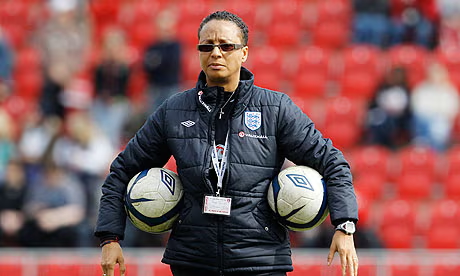
Hope Powell
Kim Crabbe, First Black Woman in the USWNT
In 1986, Crabbe became the first Black woman called up to the US Women’s National Team (USWNT). Although she did not earn an official cap, her presence in the squad was a watershed moment in football across the pond, marking the beginning of more inclusive representation. Crabbe later founded Outreach of Cape Fear, a nonprofit that harnesses the power of football to uplift disadvantaged and at-risk youth across North Carolina, continuing to pave the way for greater diversity within the game.
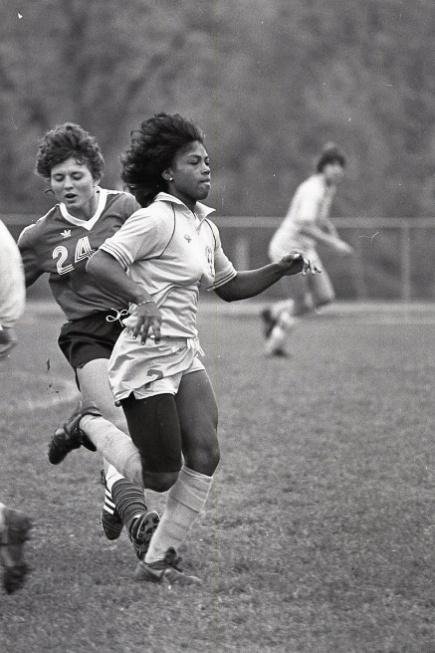
Kim Crabbe
Formiga, The Most Capped Black Player in Football History
Formiga is Brazil’s most capped player with 234 appearances between 1995–2021, making her the most capped Black footballer in history. She is the only player, male or female, to feature in seven World Cups and seven Olympic Games. At club level, she played for 14 teams across Brazil, Sweden, the USA, and France, including PSG. Her career spanned nearly 30 years, breaking barriers in the sport. Formiga’s dominance in South American women’s football was solidified with six Copa América Femenina titles, while her unwavering advocacy for gender and racial equality made her a powerful voice for change.
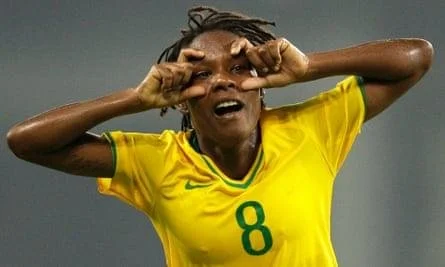
Formiga
Kerry Davis, First Black Woman to Play for England
Debuting in 1982, Davis became England’s first Black female international. Across a 16-year career she earned 90 caps, scored 43 goals, played in the inaugural 1984 Euros final, and competed in the 1995 World Cup. For years, she was England’s all-time leading scorer. Davis’s success inspired later generations from Alex Scott, Eni Aluko to today’s Jess Carter and Lauren James, proving Black women could lead England at the highest level.
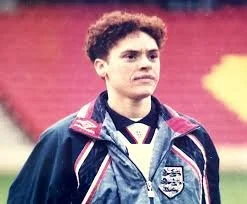
Kerry Davis
Mary Phillip, First Black England Captain
Phillip earned 65 caps between 1996 and 2007 and became the first Black woman to captain England. At club level she won every major domestic trophy, including the UEFA Women’s Cup with Arsenal in 2007. As England’s first Black captain, Phillip challenged stereotypes around leadership and authority, paving the way for future captains of diverse backgrounds.
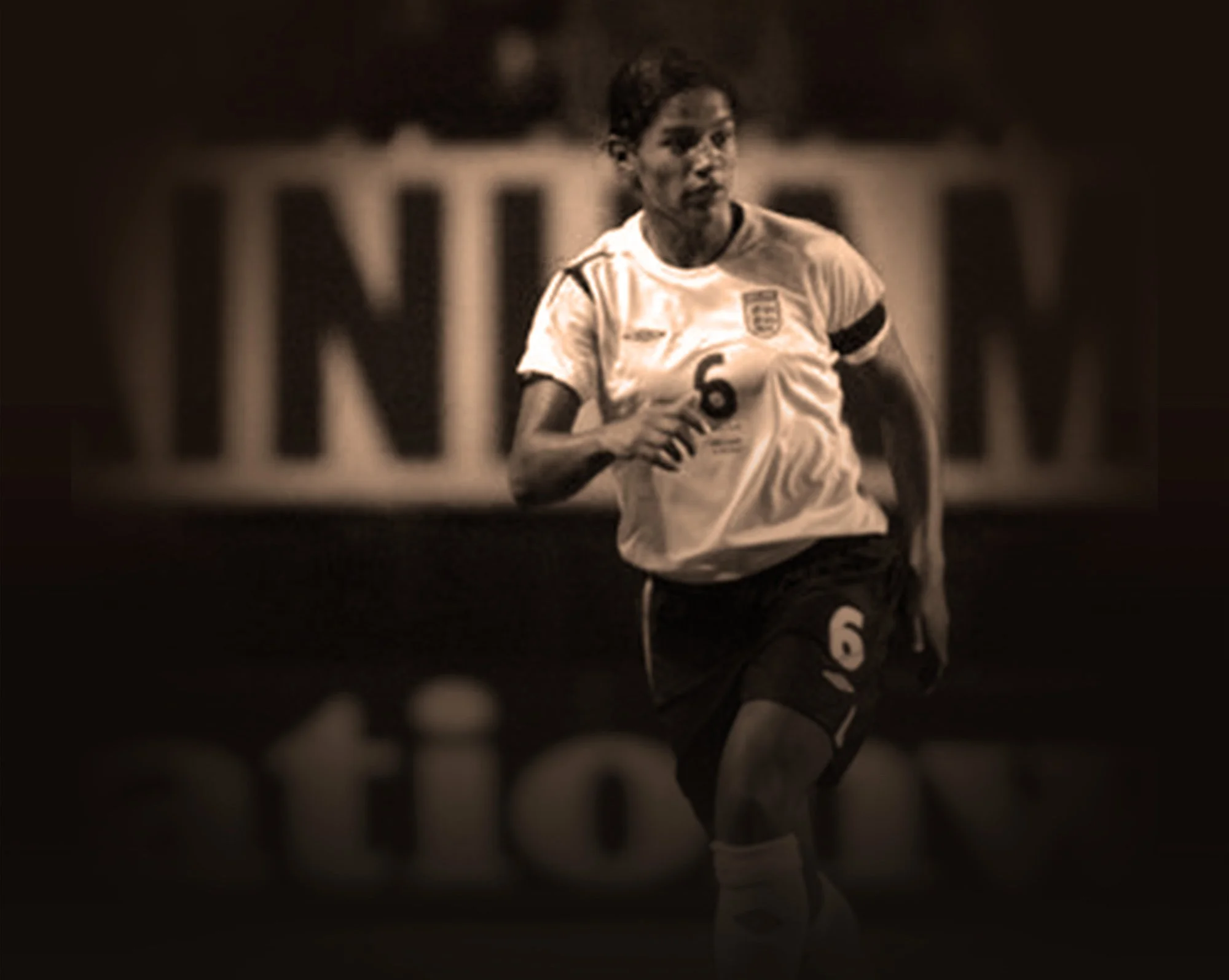
Mary Phillip
Eniola Aluko, Breaking Barriers On and Off the Pitch
Aluko enjoyed a stellar career with Chelsea, Birmingham, Juventus and the England national team, where she earned 105 caps and scored 33 goals. In 2016, she became the first female athlete in the UK to sign a multimillion-pound endorsement deal with Under Armour. After retiring, she transitioned into broadcasting and leadership roles in football investment. Aluko redefined the commercial and cultural value of female footballers, proving women could command sponsorship, media presence, and influence equal to male counterparts.
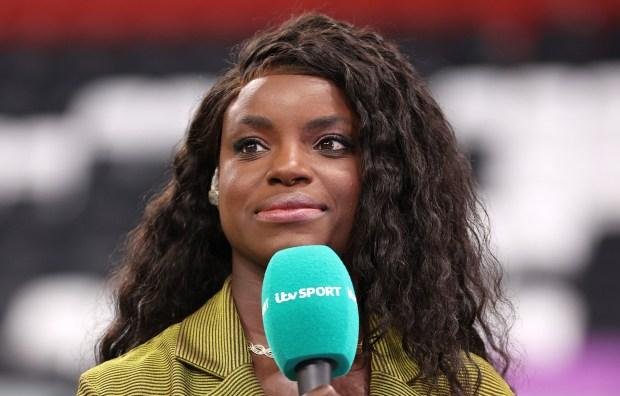
Eniola Aluko
Alex Scott, First Black Female Pundit on a Major Network
Scott won 21 trophies with Arsenal, including the historic 2007 quadruple, and earned 140 England caps. Off the pitch, she broke barriers as the first female pundit at a men’s World Cup (2018) and later became the first woman and first Black presenter of BBC’s Football Focus. Scott transformed the face of football media, ensuring that Black women’s voices became part of mainstream football analysis and coverage.
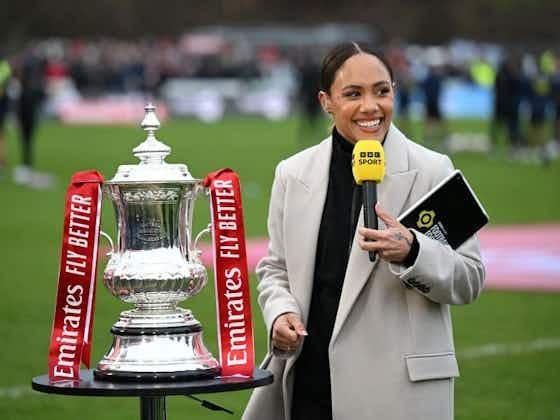
Alex Scott
Asisat Oshoala, First African Woman in the WSL
Nigerian forward Oshoala, a five-time African Women’s Footballer of the Year, made history as the first African woman in the WSL with Liverpool in 2015. She later played for Arsenal and Barcelona, winning the Champions League and multiple league titles. Oshoala set the standard for African players in Europe, raising visibility for African women’s football globally.
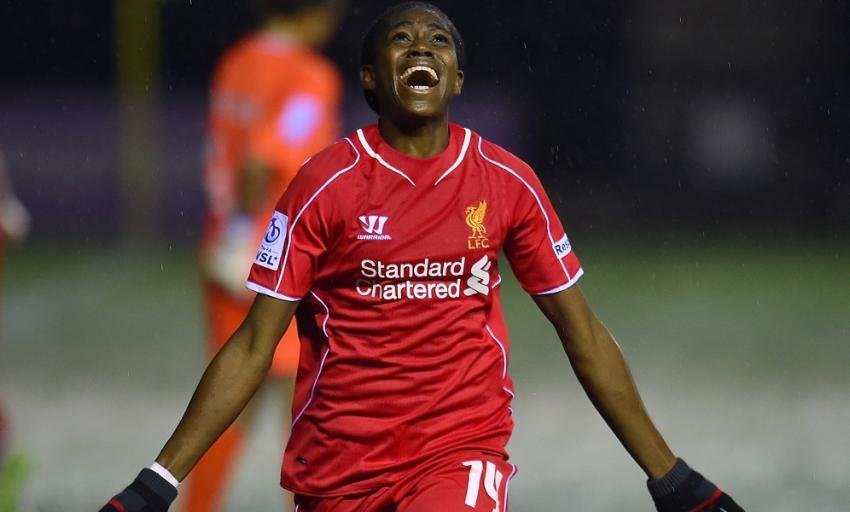
Asisat Oshoala
Rachel Yankey OBE, First Professional Female Footballer in England
Rachel Yankey became the first professional female footballer in England when she signed for Fulham in 2000, a landmark moment for the women’s game. She went on to enjoy a glittering career at Arsenal, winning 8 league titles, 9 FA Cups, and the 2007 UEFA Women’s Cup as part of the club’s historic quadruple-winning side. For England, she earned 129 caps and 19 goals between 1997 and 2013, ranking among the country’s most capped players. Recognised with an MBE (2006) and OBE (2014) Yankey’s impact helped professionalise the women’s game in England, raising visibility and setting the standard for up and coming talent.
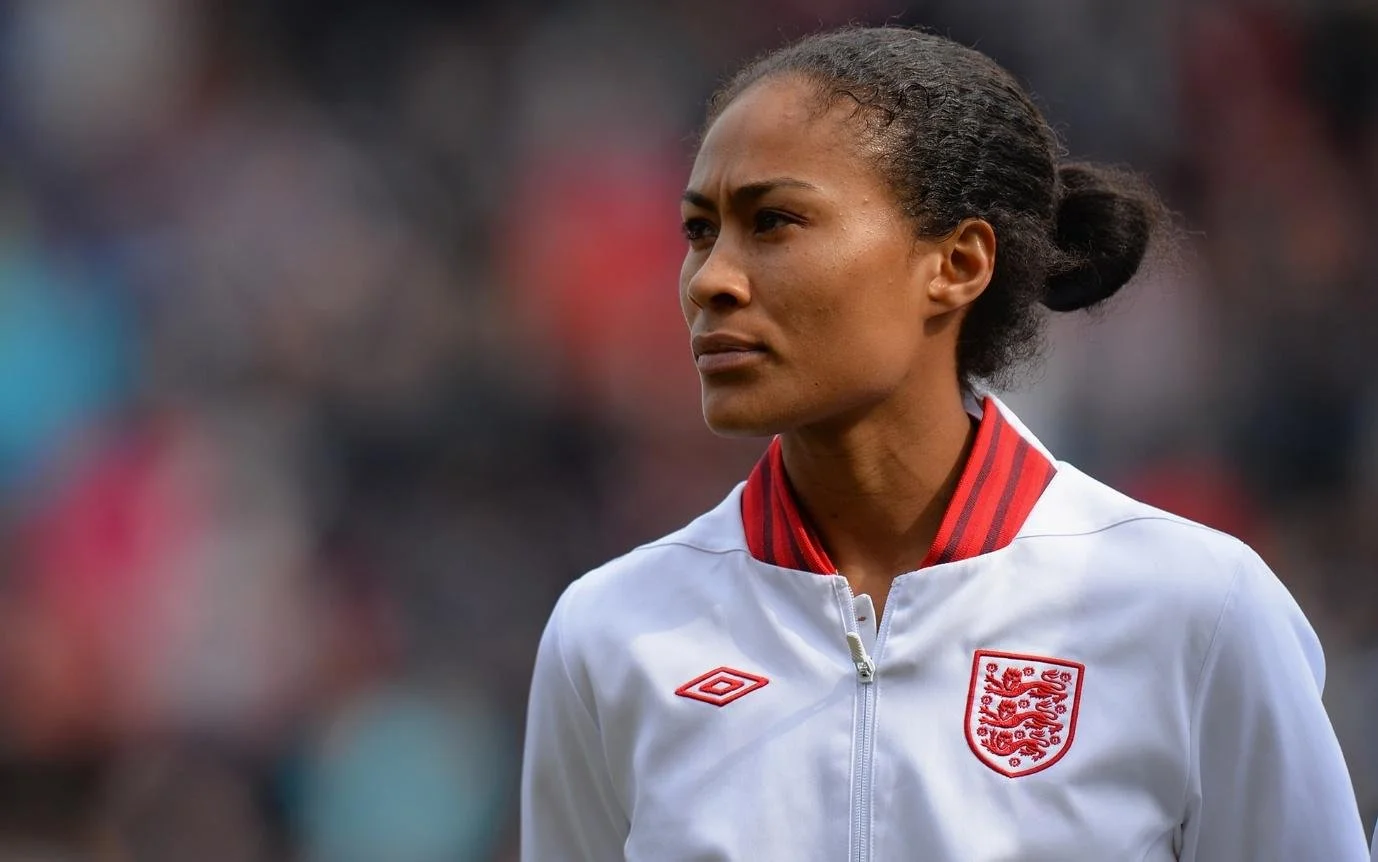
Rachel Yankey OBE
Marta, The Queen of Football
Born in Brazil, Marta overcame discrimination to become the greatest female footballer of all time. She won six FIFA World Player of the Year awards, became the all-time top scorer in World Cup history (men’s or women’s) and inspired millions with her skill and resilience. Marta’s rise to international fame showcased the growing commercial strength and fandom within women's football. This helped elevate the women's game, moving closer to securing its position on the global sporting landscape.
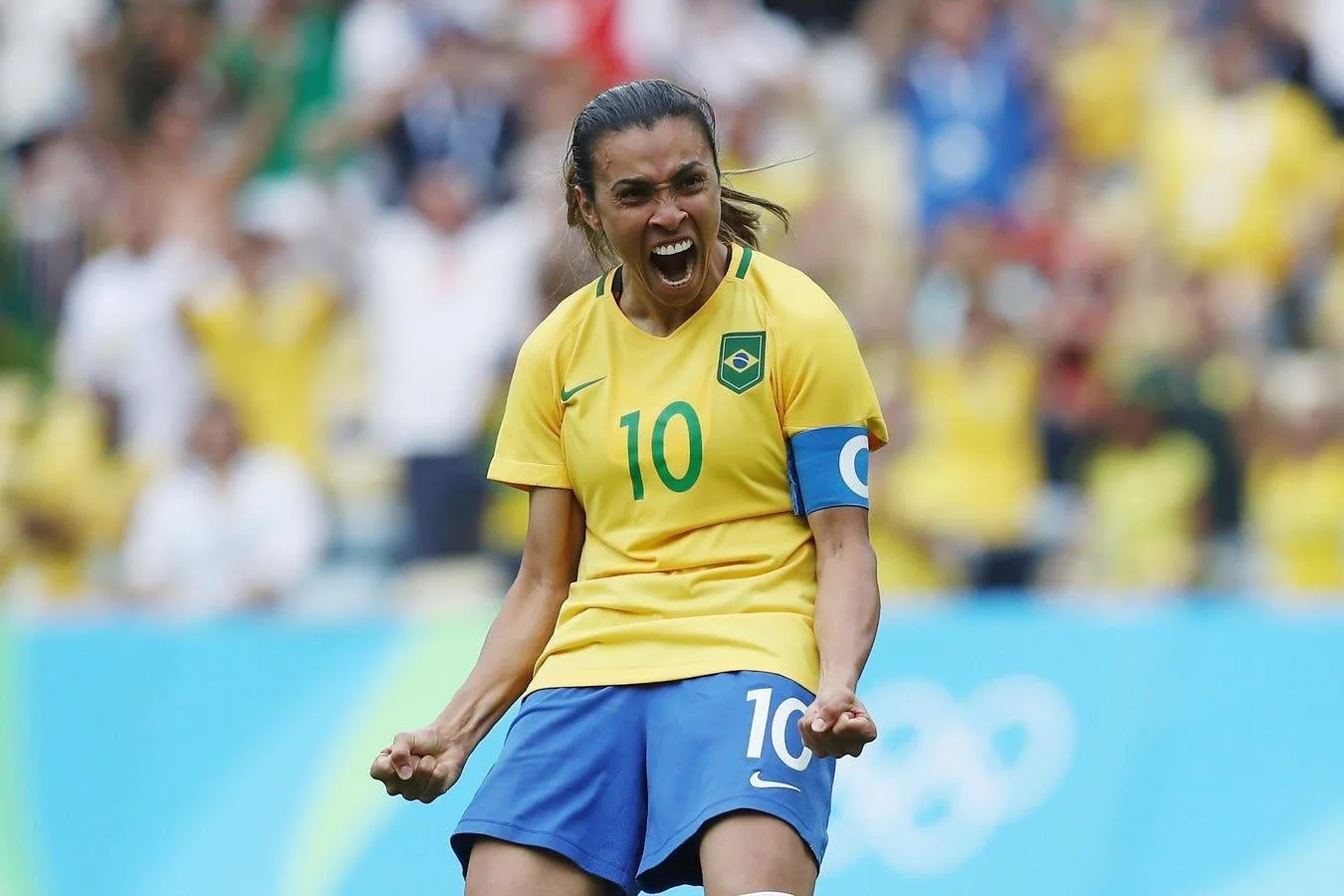
Marta