10 Civil Rights Leaders that Changed America
By the mid-1950s, Black Americans had been living under systematic racial oppression for centuries, legally segregated, economically exploited, and violently suppressed. What emerged was a movement that would shake the foundations of American democracy. From 1954 to 1968, the Civil Rights Movement dismantled segregation, secured voting rights, and demanded that America live up to its own promises. Its victories came at enormous cost. They were won by lawyers, organisers, journalists, preachers, and sharecroppers who refused to accept the world as it was. These are ten of them.
Dr. Martin Luther King Jr. (1929 — 1968)
Words were his power, his ammunition and advocated for nonviolent resistance.
If there's one name synonymous with the American Civil Rights Movement, it's his. Born on January 15, 1929 in Atlanta, Georgia, into a family of Baptist preachers, King was exceptional from the start, entering Morehouse College at 15, ordained at 18, and holding a doctorate in systematic theology from Boston University. He was intellectually formidable and strategically brilliant.
He rose to prominence at the age of 26, when in 1955, a few weeks after arriving in Montgomery, Alabama as pastor of Dexter Avenue Baptist Church, Rosa Parks was arrested and the community needed a leader. King was chosen to head the Montgomery Improvement Association and lead the 381 day boycott, a protest that dismantled segregation on public transit.
In Birmingham, Alabama in 1963, one of the most violently segregated cities in America, King organised peaceful marches knowing the city's infamous Commissioner Bull Connor would respond with force. He needed national and international attention to force America for justice. Connor predictably turned fire hoses and attack dogs on protesters, many of them teenagers. The footage and images were shown worldwide pushing President Kennedy to introduce the legislation that became the Civil Rights Act of 1964.
His "I Have a Dream" speech at the March on Washington on August 28, 1963 drew 250,000 people and is widely considered the most powerful piece of American oratory in the 20th century. In 1964, he became the youngest recipient of the Nobel Peace Prize at age 35. 13 years into his leadership, King was assassination on April 4, 1968 at the Lorraine Motel in Memphis. He was 39 years old.
“I have a dream that one day this nation will rise up, live out the true meaning of its creed.”
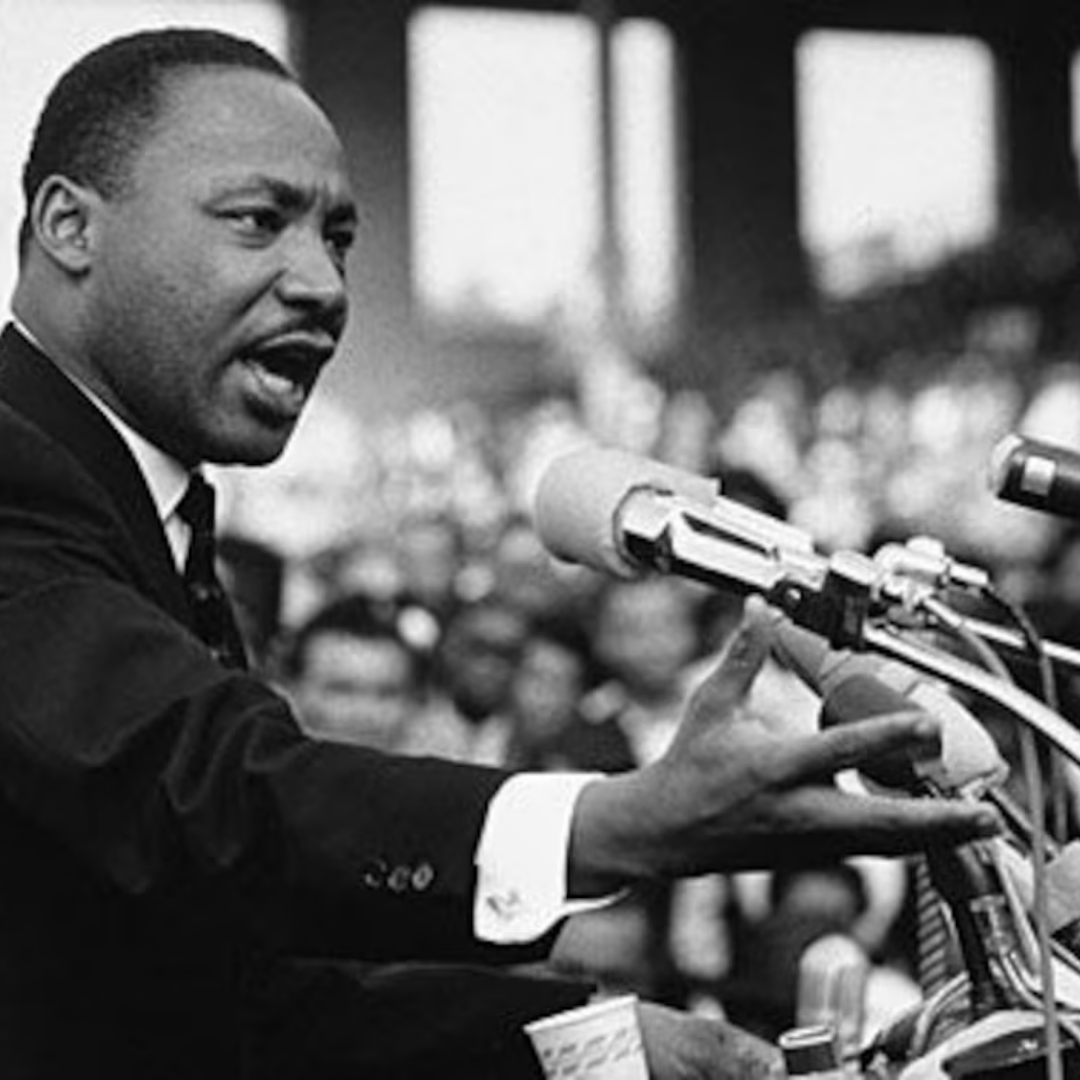
Dr. Martin Luther King Jr.
Rosa Parks ( 1913 — 2005)
Rosa Parks refusal to give up her seat was a moment she had trained for.
Born on February 4, 1913 in Tuskegee, Alabama, Parks grew up under the full weight of Jim Crow, so much so, her grandfather stood on their front porch with a shotgun to protect the family from Ku Klux Klan night riders.
She married Raymond Parks, a barber and National Association for the Advancement of Colored People (NAACP) member, in 1932, and threw herself into the work alongside him. By 1943 she was secretary of the Montgomery chapter of the NAACP, one of the most active in the South, investigating racial violence, registering voters, and documenting cases that nobody else would touch.
In the summer of 1955 she attended the Highlander Folk School in Tennessee, a training ground for civil rights activists. She returned to Montgomery with a strategic approach to resistance and a network of some of the best organisers in the South. All this was to come in handy a few months to come.
On December 1, 1955, bus driver James Blake ordered Parks to give up her seat when the white section filled. She had encountered Blake before, he had humiliated her on a bus twelve years earlier. This time she didn't move. She was arrested, fingerprinted, and charged. The Montgomery Black community responded with a 381-day boycott, 40,000 people refusing to ride, organised through Black churches and led by a young Martin Luther King Jr. The Supreme Court ruled bus segregation unconstitutional before the year was out.
“I would like to be remembered as a person who wanted to be free, so other people would be also free.”
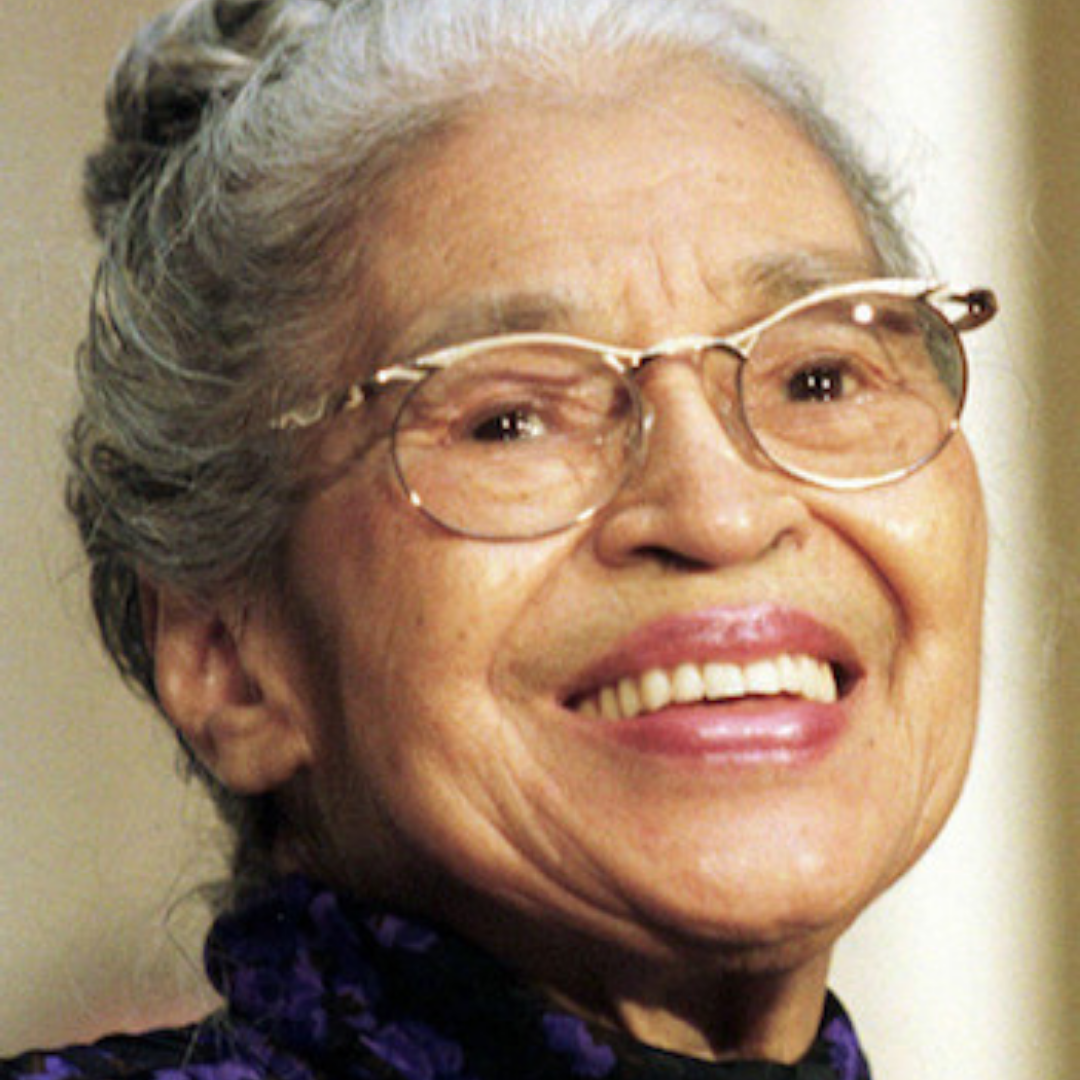
Rosa Parks
Malcolm X (1925 — 1965)
He wasn’t interested in making America comfortable. He was interested in making Black people free.
Born Malcolm Little on May 19, 1925 in Omaha, Nebraska, his early life read like an indictment of the American system before he ever wrote a word. His father, a Baptist preacher and Garveyite activist, died under suspicious circumstances when Malcolm was six. His mother was institutionalized and his siblings were scattered into foster care.
In 1946 at age twenty, Malcolm was sentenced to eight years in prison for burglary. What the state intended as punishment became transformation. Inside Charlestown State Prison, Malcolm discovered the Nation of Islam, devoured the dictionary word by word, and rebuilt himself from the foundation up. He emerged in 1952 as Malcolm X.
As the Nation of Islam’s national spokesman, he became the most electrifying voice in Black America, calling out white supremacy for exactly what it was, insisting Black people had not just the right but the obligation to defend themselves. To white America he was seen as one of their greatest threats.
In 1957, when NYPD officers beat a Black man named Hinton Johnson and left him bleeding in a Harlem jail cell, Malcolm mobilized hundreds of NOI members and marched them to the precinct.The crowd outside swelled into the thousands. The police backed down. When Malcolm was satisfied, he gave a subtle signal and the crowd dispersed instantly. A police captain watched them go and said: "No man should have that much power."
His 1964 pilgrimage to Mecca began a profound evolution toward international human rights, broader coalitions, and a bigger vision. He never got to finish the thought. On February 21, 1965, he was assassinated at the Audubon Ballroom in New York City. He was 39.
"You can't separate peace from freedom because no one can be at peace unless he has his freedom..”
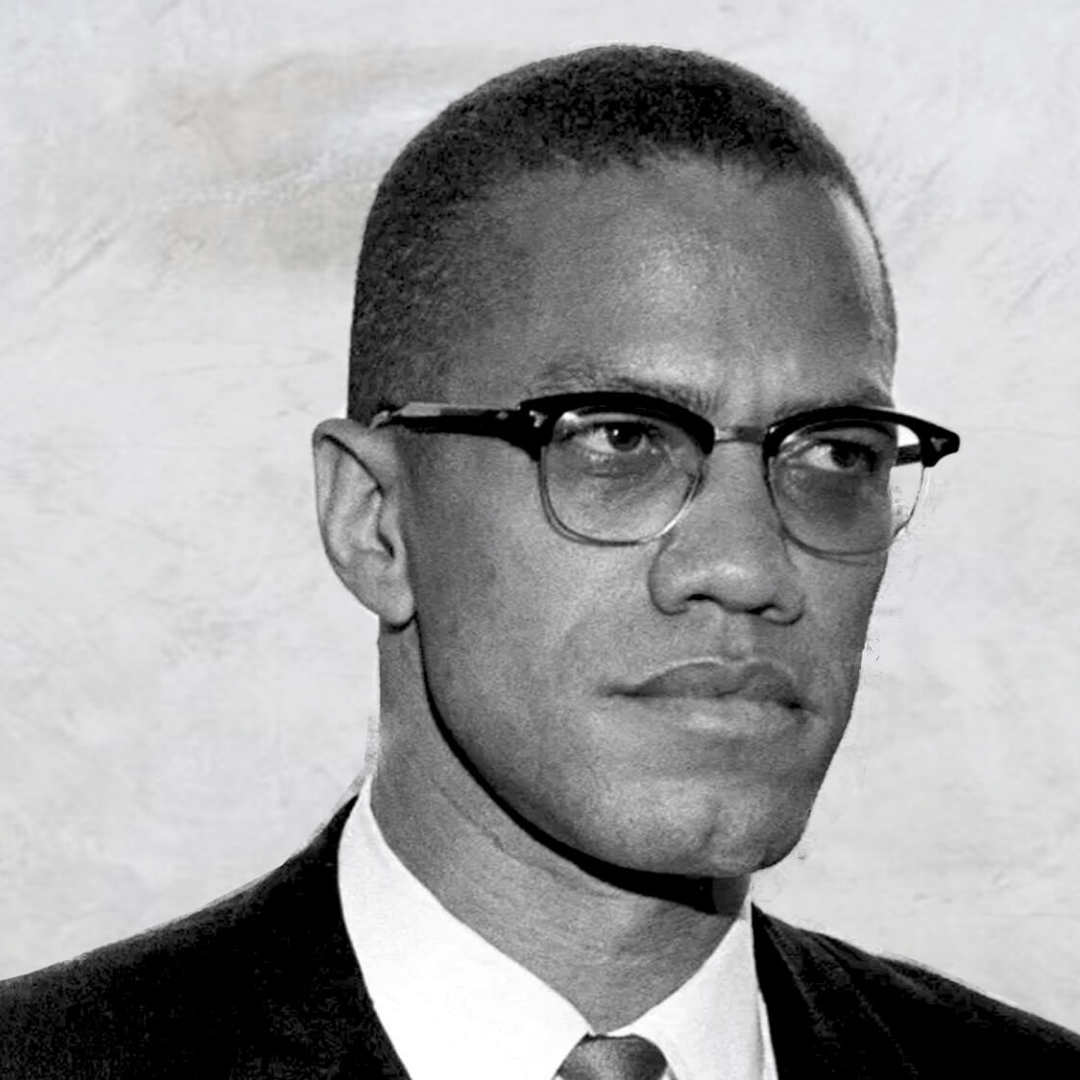
Malcolm X
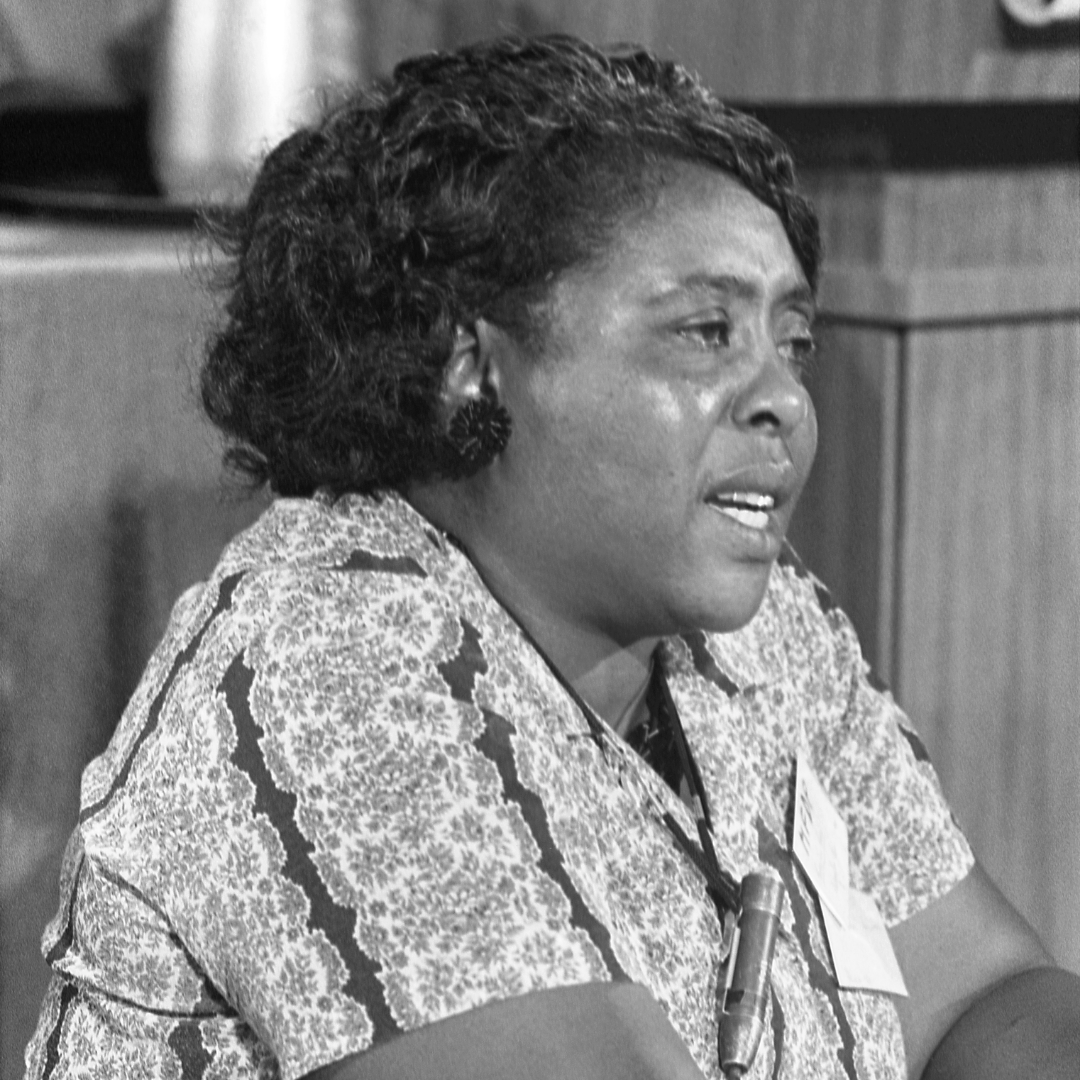
Fannie Lou Hamer (1917 — 1977)
She used every personal indignity to fight injustice.
Born on October 6, 1917, the youngest of twenty children in Montgomery County, Mississippi, she was picking cotton by six and never got past sixth grade. For decades she worked as a sharecropper on a plantation in Sunflower County. In 1962, at the age of 44, she attended a Student Nonviolent Coordinating Committee (SNCC) meeting and learned for the first time that she had the constitutional right to vote.
Naturally, the very next day she went to register.
She was evicted from the plantation that same night. Shot at. Arrested. And on June 9, 1963, returning from a voter registration workshop in South Carolina, she was pulled off a bus in Winona, Mississippi and beaten. She was 45 years old. She never fully recovered physically. She never let it stop her.
As a field organiser for SNCC and co-founder of the Mississippi Freedom Democratic Party, unbreakable, she went to the 1964 Democratic National Convention in Atlantic City and testified on national television about what Mississippi did to Black people who tried to vote. She famously said "I'm sick and tired of being sick and tired." President Johnson was so threatened by her speech, he called an emergency press conference to pull the cameras away from her.
America heard every word.The ripple effects were enormous. The television footage of Hamer's testimony was seen by millions and became one of the most powerful documents of the entire movement.
“Nobody's free until everybody's free.”
Fannie Lou Hamer
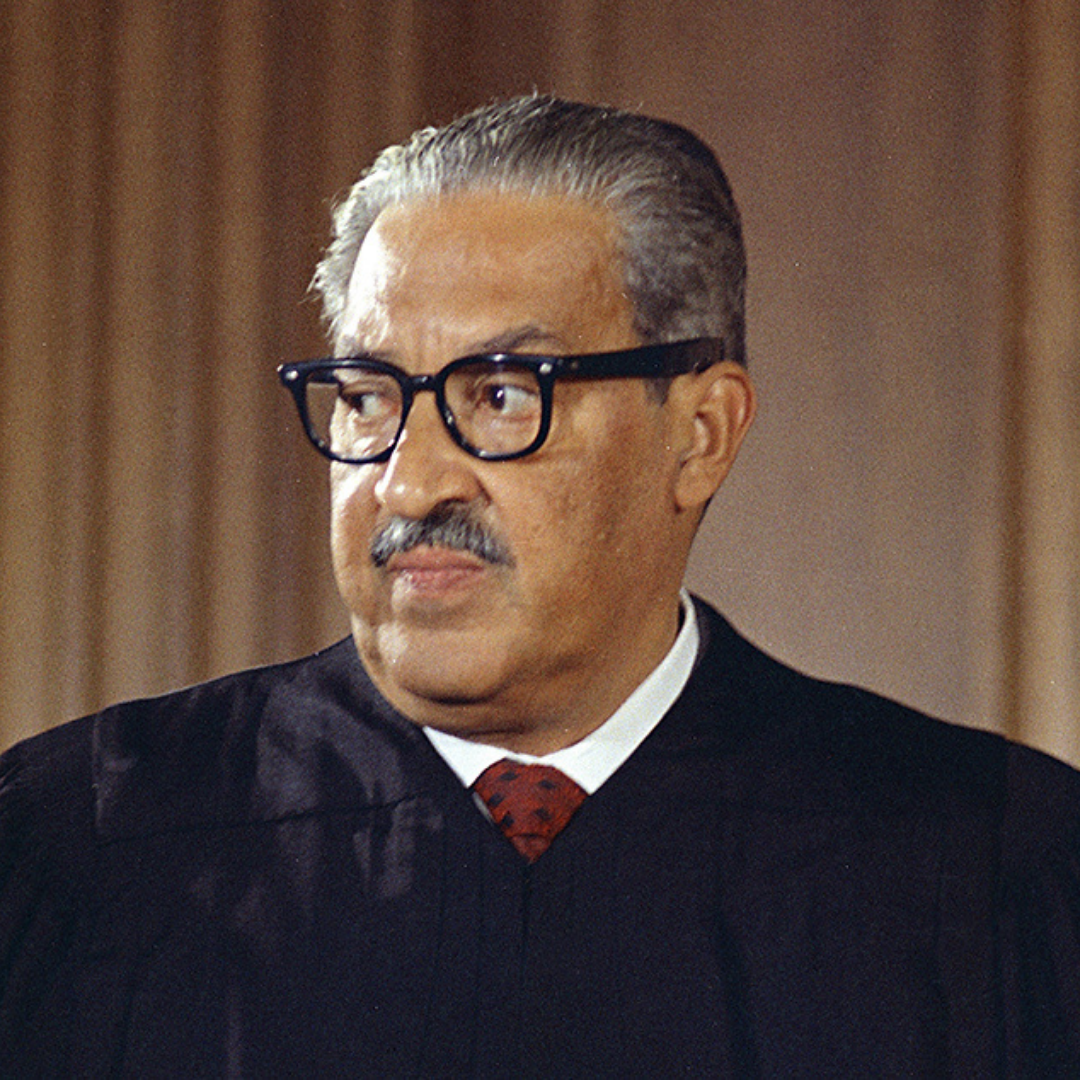
Thurgood Marshall (1908 — 1993)
He was the master litigator, dismantling the systems that oppressed Black people for centuries.
Born on July 2, 1908 in Baltimore, Maryland, Marshall grew up in segregation. He decided early that the law was the sharpest tool available to dismantle Jim Crow. When the University of Maryland School of Law rejected him because of his race, he enrolled at Howard University School of Law instead, graduating first in his class in 1933. He would later sue the University of Maryland into integration.
As the NAACP's chief legal counsel from 1938, he traveled the Jim Crow South taking cases nobody else would touch, often at genuine personal risk. He argued 32 cases before the Supreme Court and won 29 of them, a record that stands as one of the most extraordinary in American legal history.
The crown jewel came on May 17, 1954. In Brown v. Board of Education, Marshall argued that racially segregated public schools were inherently unequal and unconstitutional. The Supreme Court agreed unanimously. It overturned Plessy v. Ferguson, the 1896 ruling that had enshrined "separate but equal" as the law of the land for nearly sixty years, in a single decision. The legal architecture of Jim Crow cracked at its foundation.
In 1967, President Lyndon Johnson appointed him to the Supreme Court, the first Black Justice in its 178-year history. He served until 1991, a persistent, principled voice for the marginalized until the very end.
“In recognising the humanity of our fellow beings, we pay ourselves the highest tribute.”
Thurgood Marshall
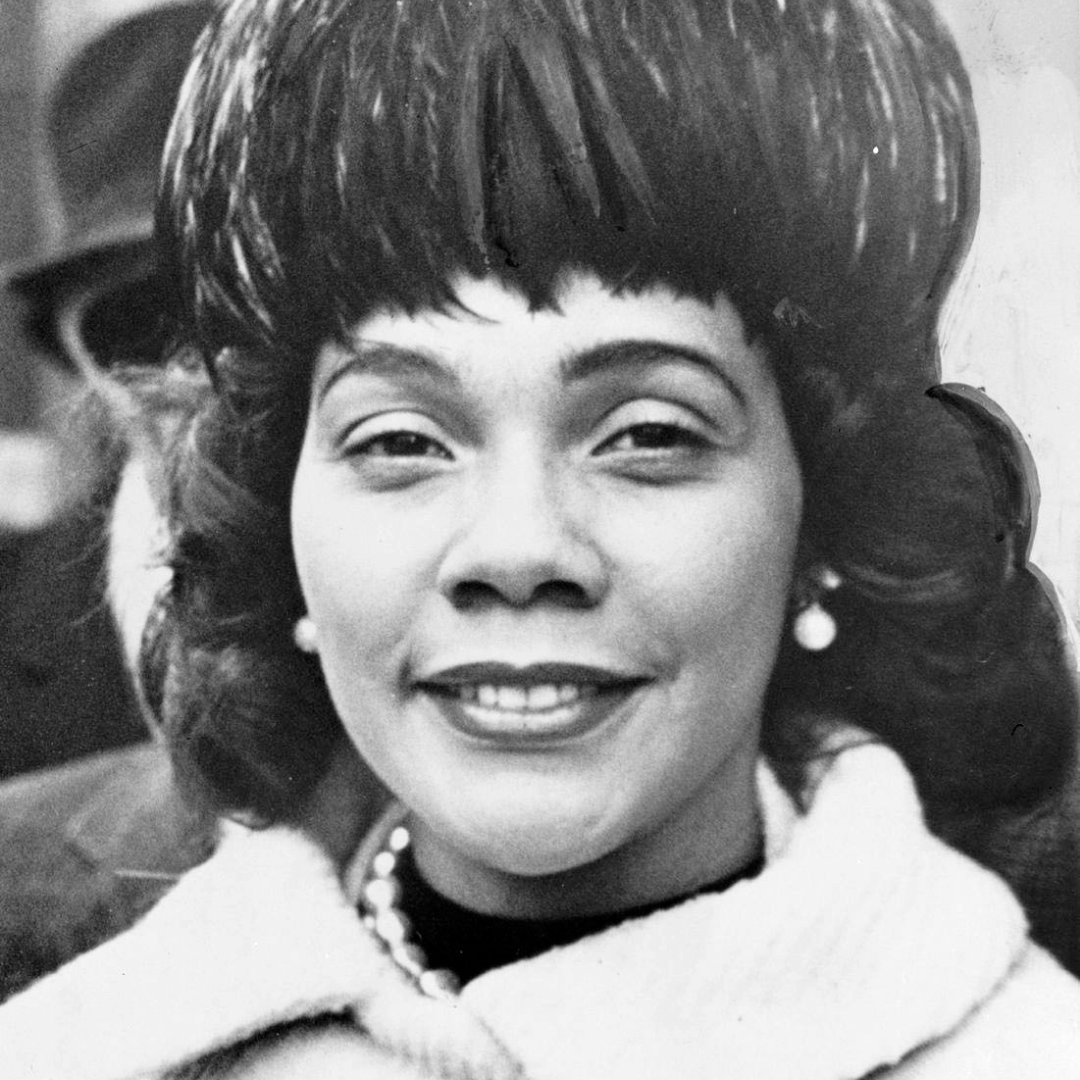
Coretta Scott King (1927 — 2006)
She didn’t play a supporting role. She worked relentlessly over decades for human rights.
Born on April 27, 1927 in Heiberger, Alabama, King was exceptionally gifted academically and musically, earning a scholarship to Antioch College in Ohio, one of the few integrated colleges in the country at the time. She became active in the college's Race Relations and Civil Liberties Committees and joined the NAACP.
From Antioch she won a scholarship to the New England Conservatory of Music in Boston, training as a classical and operatic singer at a serious professional level. She had genuine concert ambitions and the talent to match them. She was in Boston studying music when she met Dr. King in 1952.
Married and a mother of four, King continued to play her part in activism. Tapping into her musical gifts for the cause, she performed Freedom Concerts throughout the late 1950s and 1960s, combining music, poetry, and narration to raise money for the SNCC. She performed them across the country and in Europe, raising significant funds for the movement independently.
When Dr. King was assassinated on April 4, 1968, she put their work before her own grief. Just four days later, she took their children and led the Memphis sanitation workers' march her husband had been killed organising. She finished what he started before she had even buried him.
What followed was four decades of unrelenting work. She founded and built the Martin Luther King Jr. Center for Nonviolent Social Change in Atlanta. She lobbied Congress for 15 years to establish Martin's birthday as a federal holiday, fighting opposition from Ronald Reagan himself, until she finally won in 1983. She marched against apartheid in South Africa. She was one of the earliest and most prominent civil rights leaders to publicly advocate for LGBTQ+ rights, doing so decades before it was politically safe.
“Struggle is a never-ending process. Freedom is never really won, you earn it and win it in every generation.”
Coretta Scott King
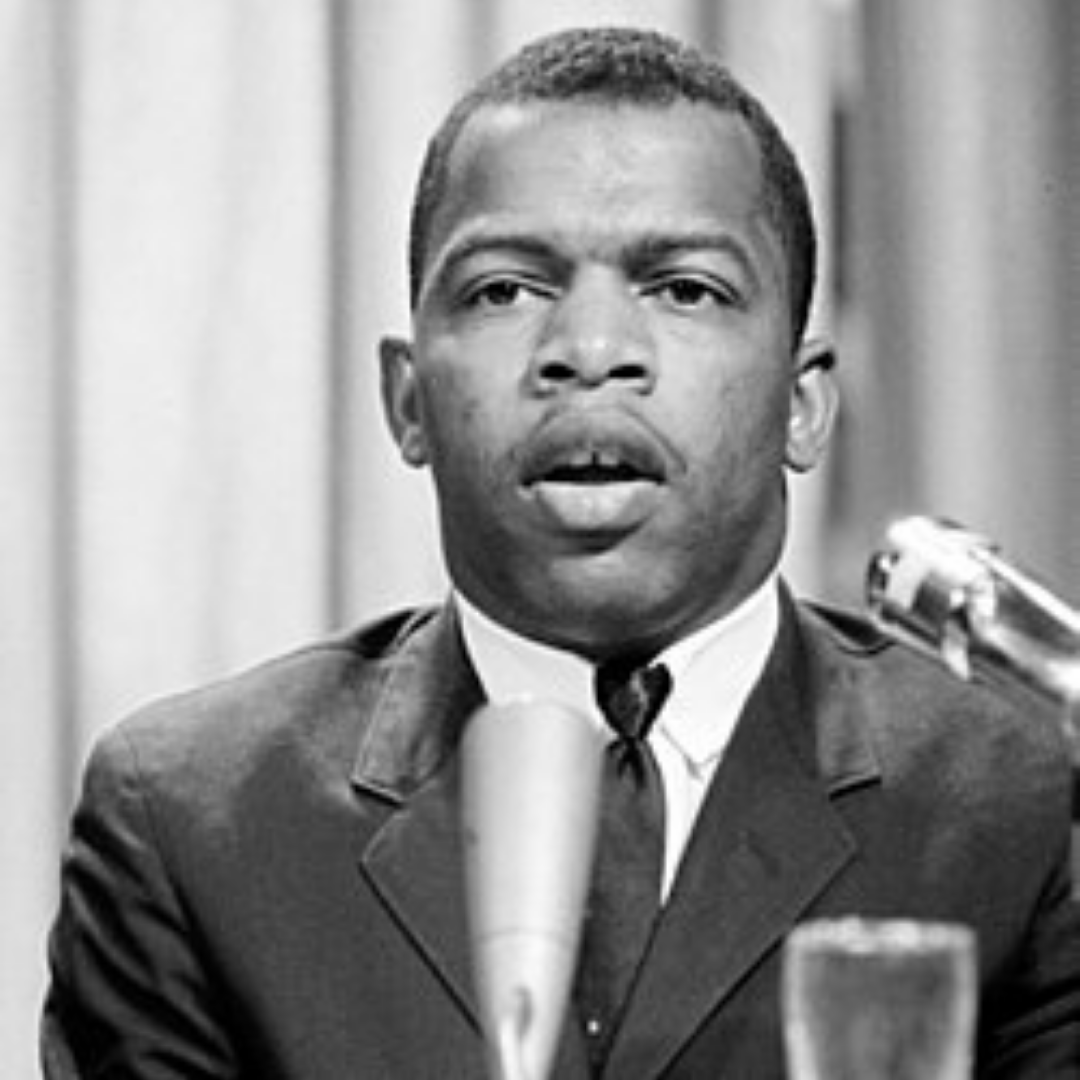
John Lewis (1940 — 2020)
John Lewis was a man built for the long fight. He called it “good trouble.”
Born on February 21, 1940 in Pike County, Alabama, the son of sharecroppers, Lewis was so moved by the Montgomery Bus Boycott and the words of Martin Luther King Jr. that he began organising sit-ins as a teenager. At 21, he became one of the originalFreedom Riders, young activists who rode interstate buses through the Deep South to challenge segregation, knowing they would be met with violence. Lewis was beaten at bus stations in South Carolina and Montgomery, Alabama. And he just kept riding those buses.
At 23 he was chairman of SNCC and one of the "Big Six" organisers of the March on Washington. His submitted speech was so militant, threatening to march through the South, calling the Civil Rights Bill "too little, too late", that elder statesmen including A. Philip Randolph intervened on the morning of the march and asked him to tone it down. He rewrote it on the steps of the Lincoln Memorial. The revised version was still the most radical speech delivered that day.
Bloody Sunday, on March 7, 1965, Lewis led 600 marchers across the Edmund Pettus Bridge in Selma, Alabama. State troopers charged them with clubs and tear gas, fracturing Lewis's skull. When the footage aired on national television that night, it shifted the conscience of the nation. Congress passed the Voting Rights Act five months later. He served 33 years in Congress. He never stopped calling it like he saw it.
“Do not get lost in a sea of despair. Be hopeful, be optimistic. Never, ever be afraid to make some noise and get in good trouble.”
John Lewis
Ida B. Wells (1862 — 1931)
She understood that silence was complicity, and complicity was something she simply wasn't built for.
Born in Holly Springs, Mississippi in 1862, she was dragged from a first-class train car at 22, a seat she had legally paid for, and rightly refused to move from. She sued the railroad, won in a lower court, and was overturned by the Tennessee Supreme Court.
Her response was to keep calling out the injustice. Wells co-founded Memphis newspaper, The Free Speech, and began to document with a precision that made powerful people very uncomfortable.
In 1892, three of her close friends, successful Black businessmen, were lynched in Memphis. Wells investigated, published, and refused to accept the official narrative. What she uncovered was that lynching across the South was not punishment for criminal behavior but an act of economic and political terror. Her pamphlets "Southern Horrors" and "The Red Record" documented hundreds of cases with names, dates, and cold hard evidence.
While Wells was in New York, a white mob destroyed her newspaper office and threatened her life if she returned. Forced to exile she went to Chicago, a city with a growing Black population, a Black press, and political freedoms the South violently denied. She co-founded the National Association for the Advancement of Colored People in 1909, along with W.E.B. Du Bois, Mary Church Terrell and a coalition of others for the rights of African Americans.
In Chicago, Wells organised anti-lynching campaigns that crossed international borders, taking her case to Britain when America wouldn't listen. In 1930 she became one of the first Black women in history to run for public office. In 2020, her life’s dedication to people was recognised posthumously with the Pulitzer Prize.
“The way to right wrongs is to turn the light of truth upon them.”
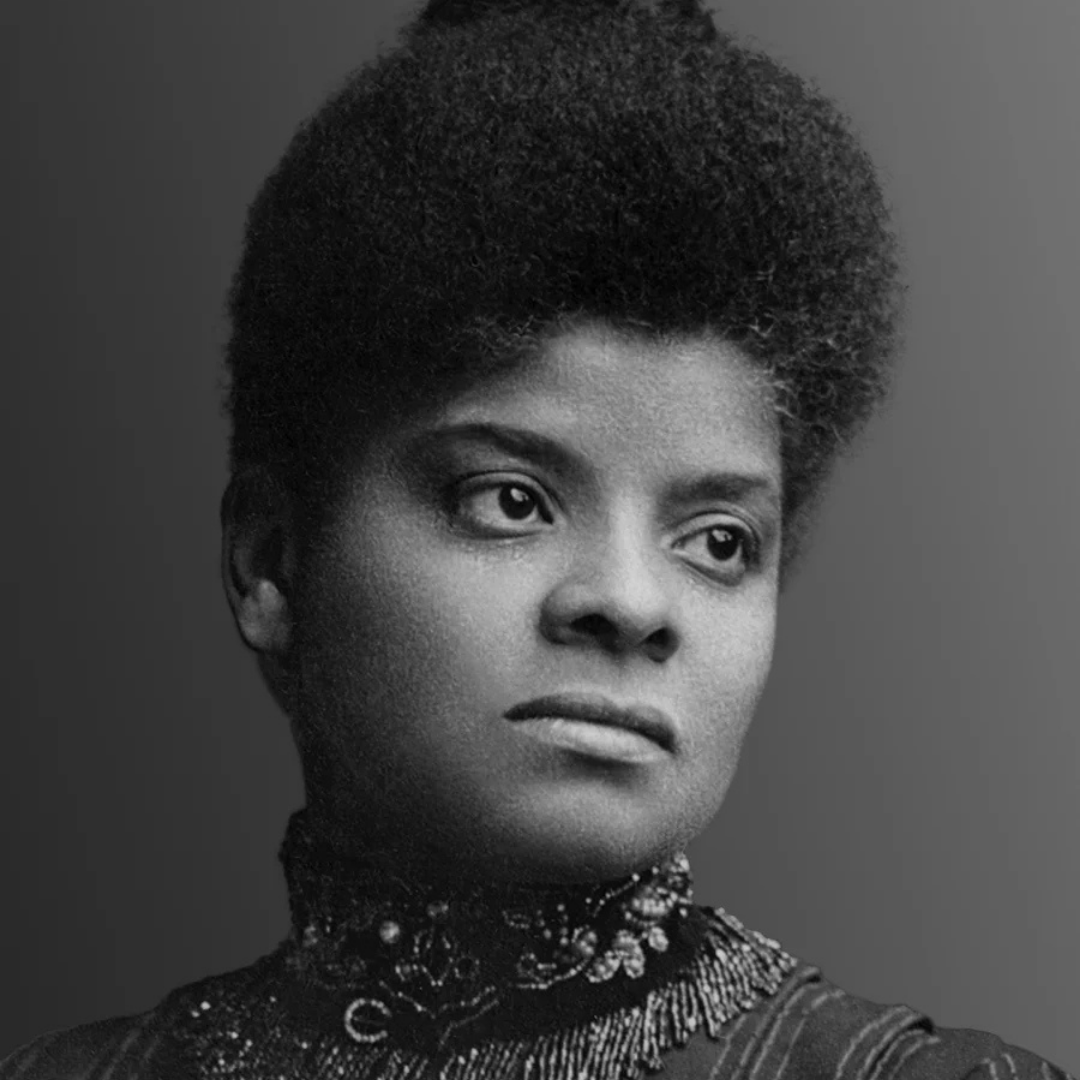
Ida B. Wells
Fred Hampton (1948 — 1969)
He could walk into a room of enemies and walk out with allies. At 21, that made him a national threat.
Born on August 30, 1948 in Atchison, Kansas and raised in Maywood, Illinois, Hampton showed he was made of something different very early. As a teenager he built the NAACP Youth Council in Maywood into one of the largest chapters in the country. By the time he was 20 he had joined the Illinois Black Panther Party and risen to chairman, organising with a speed and clarity that alarmed law enforcement at the local, state, and federal level simultaneously.
What made Hampton genuinely dangerous to the establishment was the power of his leadership. He had a vision and was building it. He launched free breakfast programs feeding hundreds of Chicago's poorest children every morning before school. He negotiated truces between rival Chicago street gangs, the Blackstone Rangers and the Disciples among them, converting enemies into allies. And then he did something truly radical: he built the Rainbow Coalition, bringing together the Black Panthers, the Puerto Rican Young Lords, and the Young Patriots, a poor white Appalachian organisation, into a unified multiracial movement organised around class and justice.
J. Edgar Hoover's FBI designated him a "radical threat" and targeted him under COINTELPRO. On December 4, 1969, Chicago police officers, working with FBI intelligence, raided his apartment at 4 a.m. and shot him dead in his bed. He had been drugged. He never fired a weapon. Hampton was only 21. He hadn't even voted in a single presidential election.
“You can kill a revolutionary, but you cannot kill a revolution.”
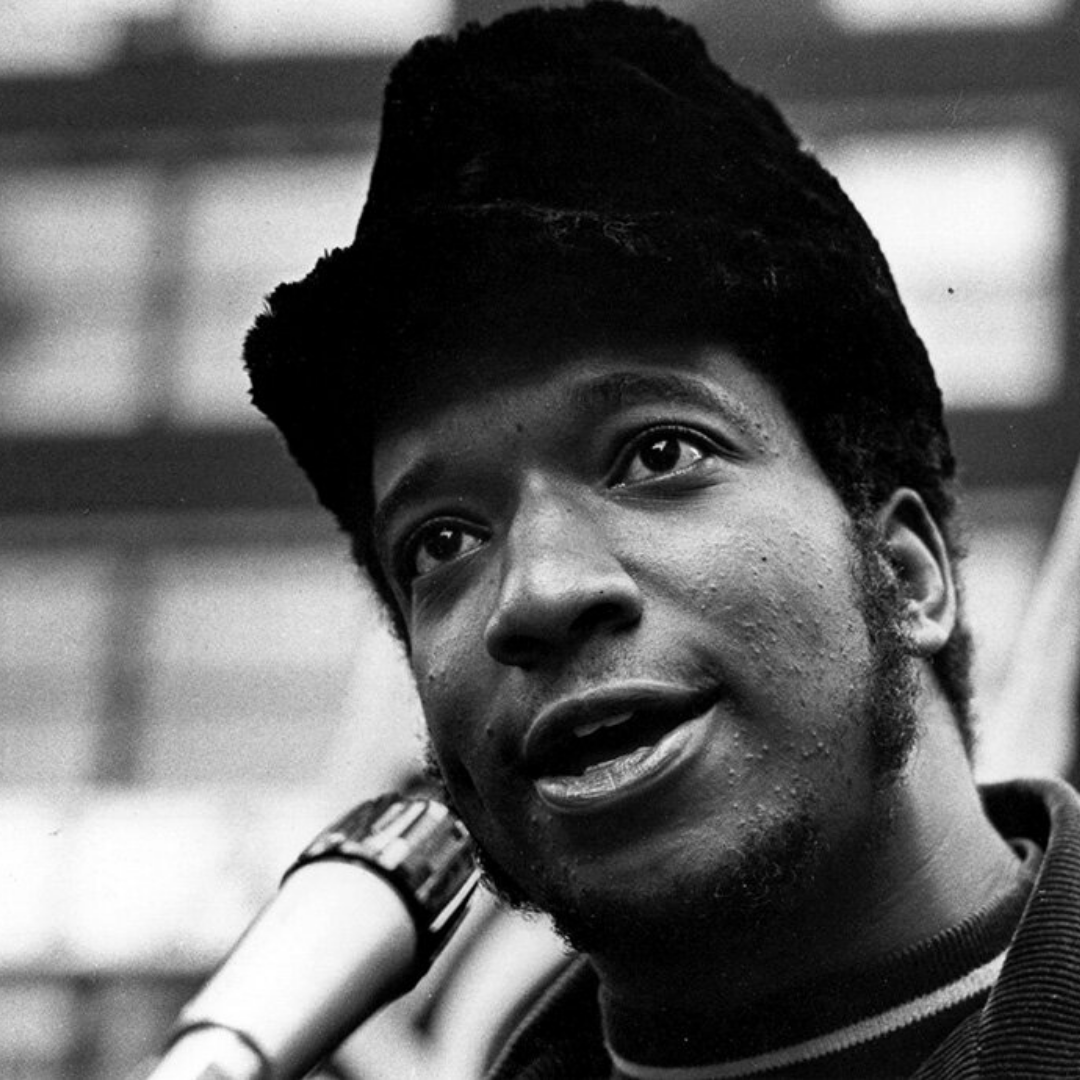
Fred Hampton
Dorothy Height (1912 — 2010)
She was a prolific voice and organiser for women rights and place in the movement.
Born on March 24, 1912 in Richmond, Virginia, she was accepted to Barnard College in New York at 18 only to be turned away at the door; the college had already met its informal quota of two Black students. Determined to get an education she enrolled and was accepted at New York University instead, leaving with a Master’s in educational psychology. The experience of that rejection, she later said, clarified everything about what she was fighting for.
Height joined the National Council of Negro Women in 1937 at the invitation of its founder Mary McLeod Bethune, one of the most significant mentoring relationships in the history of the movement. By 1957 she was its president, a position she would hold for 40 years, building it into one of the most influential Black women's organisations in the country.
Height was on the podium at the March on Washington in 1963, one of the only women in a prominent position that day, and spent years quietly fighting to ensure that women's voices were not drowned out by the movement's male leadership. She organised voter registration drives across the South, worked to desegregate the YWCA, and sat in the Oval Office with every president from Dwight Eisenhower to Barack Obama.
She received the Congressional Gold Medal in 2004 and the Presidential Medal of Freedom in 2009. When she died in 2010 at age 98, Obama called her the "godmother of the civil rights movement."
“We have to improve life, not just for those who have the most skills and those who know how to manipulate the system. But also for and with those who often have so much to give but never get the opportunity.”
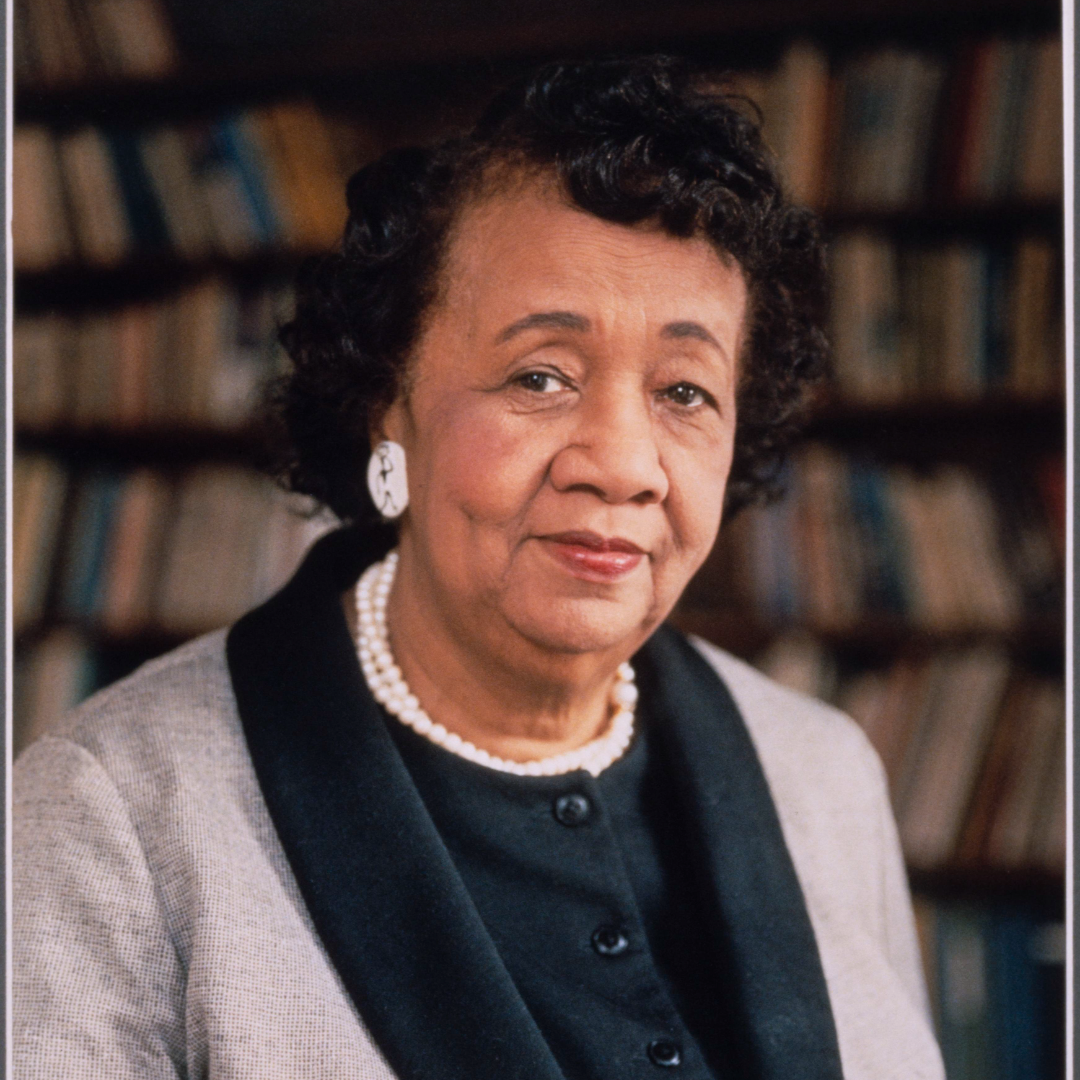
Dorothy Height